2026-07-06
Intertek Establishes Environmental Laboratory in Hong Kong to Support Local Air Quality Testing
Indoor Air Quality (IAQ) has emerged as a critical concern for building owners, operators, managers, and tenants, with its health implications more relevant today than ever before. In high-occupancy facilities such as schools, offices, multi-family residential buildings, hospitals, and other healthcare settings, both the public and facility managers are increasingly seeking assurance that living, working, and mission-critical environments are safeguarded against airborne environmental hazards.
To support the verification process, Intertek established its local team and new facilities in Hong Kong to increase efficiency of local testing. Here are some common elements for the assessments:
To support the verification process, Intertek established its local team and new facilities in Hong Kong to increase efficiency of local testing. Here are some common elements for the assessments:
- Carbon dioxide (CO₂) levels
- Carbon monoxide (CO) levels
- Nitrogen dioxide (NO₂) levels
- Ozone (O₃) levels
- Temperature & humidity
- Airborne particulates (TSP, PM1.0, PM2.5, PM10)
- Total volatile organic compounds (TVOCs) or individual VOC
- Formaldehyde and other pollutants
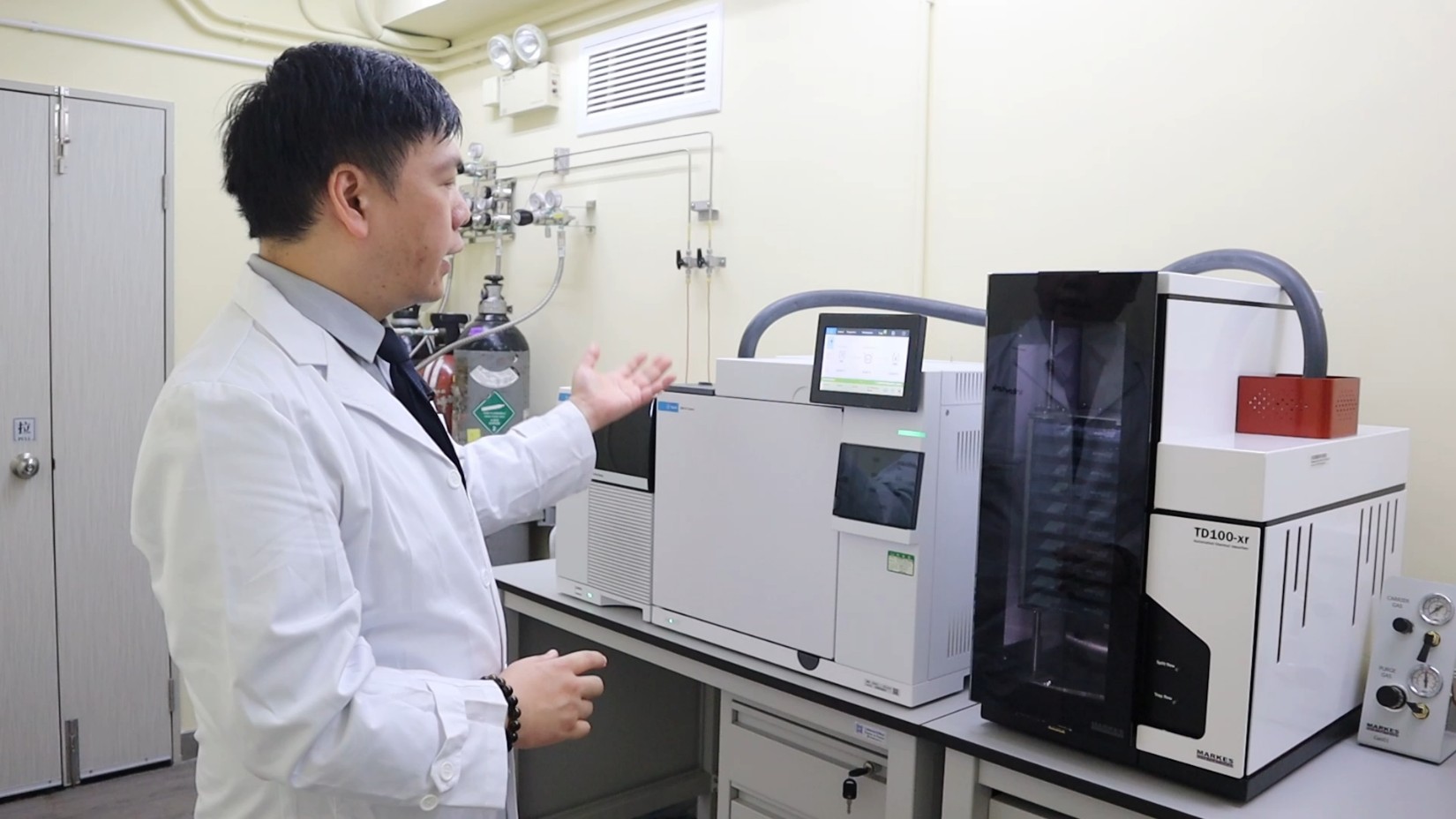
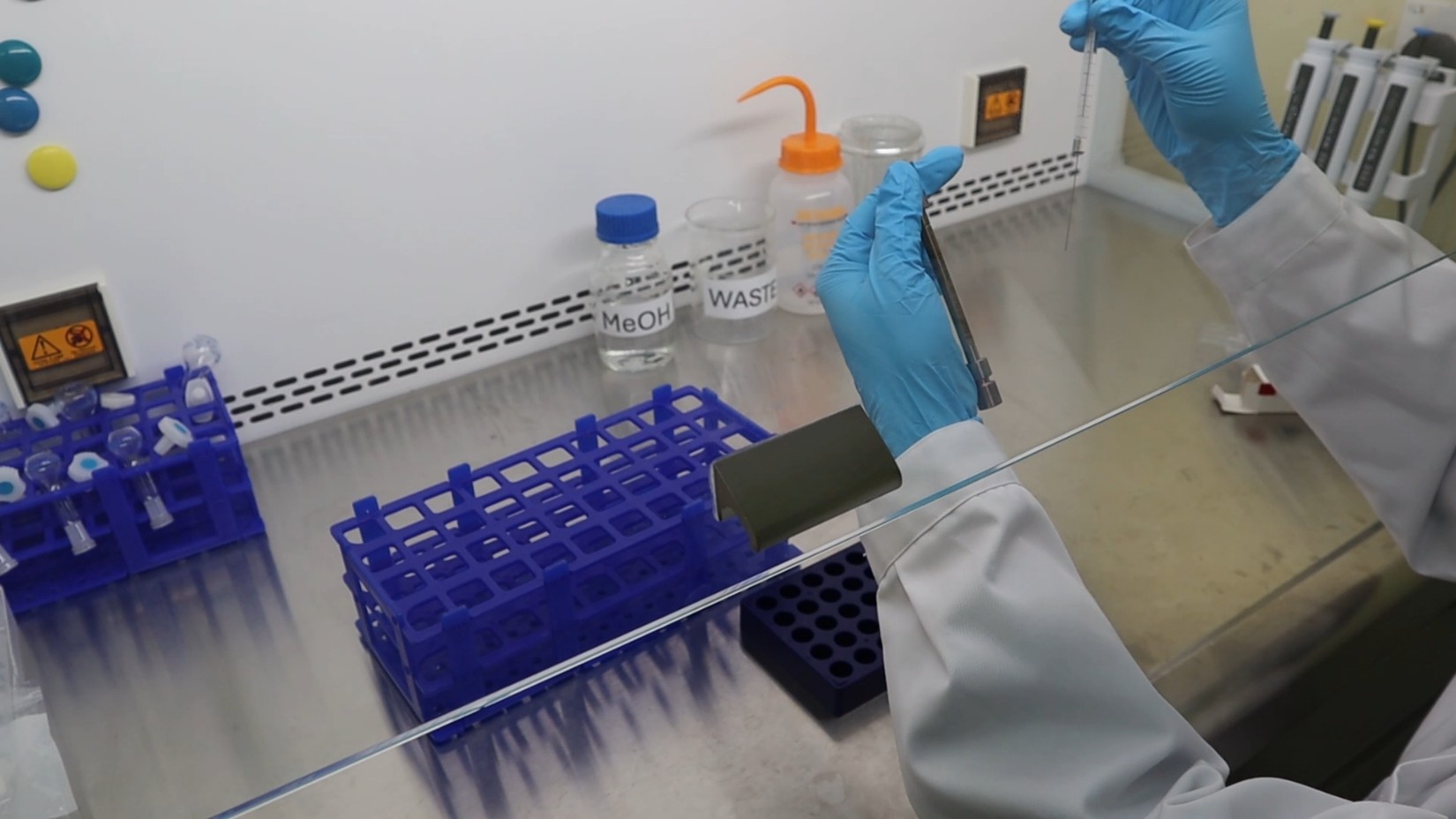
The air samples Intertek collected on-site are trapped in sampling tubes. After that initial preparation, it puts these tubes into a machine called Thermal Desorption Spectroscopy (TDS). It heats the sample up to a specific temperature, which releases the trapped compounds. Those volatile organic compounds are then sent over to another instrument, Gas Chromatograph-Mass Spectrometer (GCMS), for a detailed analysis.
“TVOCs” is an umbrella term that stands for Total Volatile Organic Compounds. In addition to the total amount, Intertek breaks it down to identify and measure specific, individual gases, especially the ones people are particularly concerned, like Benzene or Toluene. Then Intertek compares those numbers against national and international safety standards to see if anything is over the acceptable limit. It gives building and facility managers exactly what they need to create an action plan, improve the indoor air quality.